TYPE OF FLANGE FACE
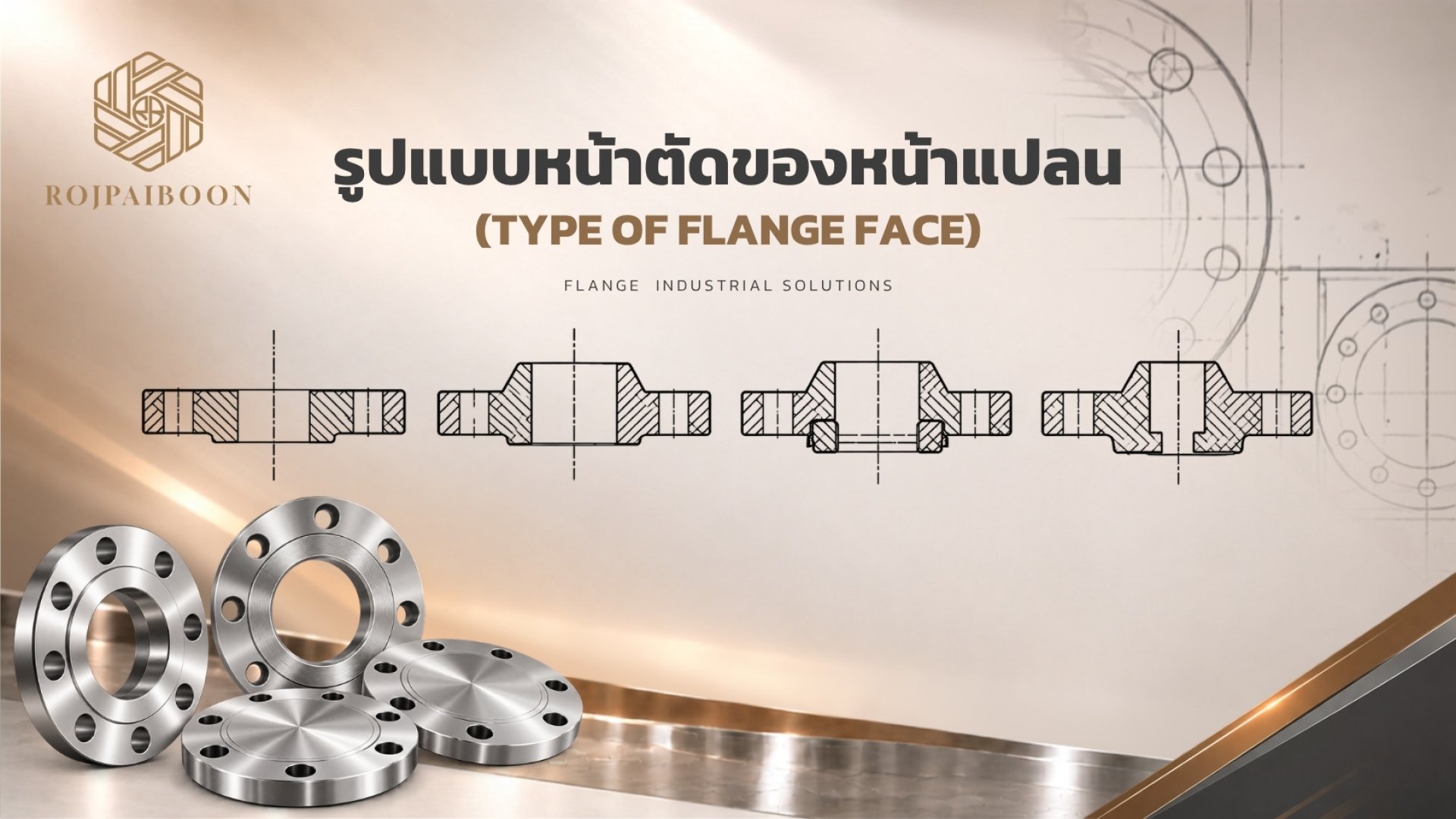
There are currently 6 commonly used flange cross-section profiles.
1. Raised Face – RF
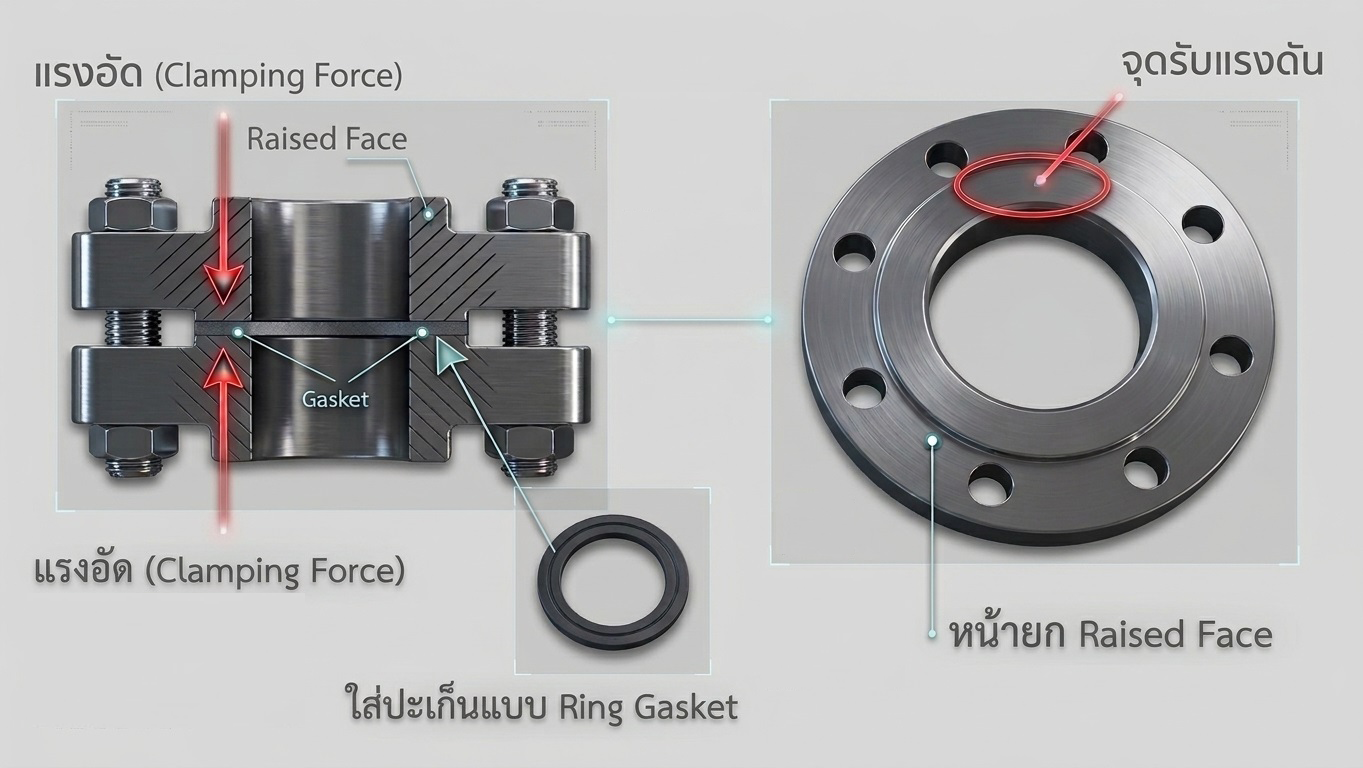
This is the most common type used in factories across all industries. It is known as "Raised Face" (RF) because the gasket seating surface is elevated above the bolt circle face, meaning the gasket is compressed only against this raised section. The design aims to concentrate the pressure load on the gasket area, ensuring effective pressure containment at the joint; consequently, it is suitable for high-pressure and high-temperature applications.
2. Flat Face - FF
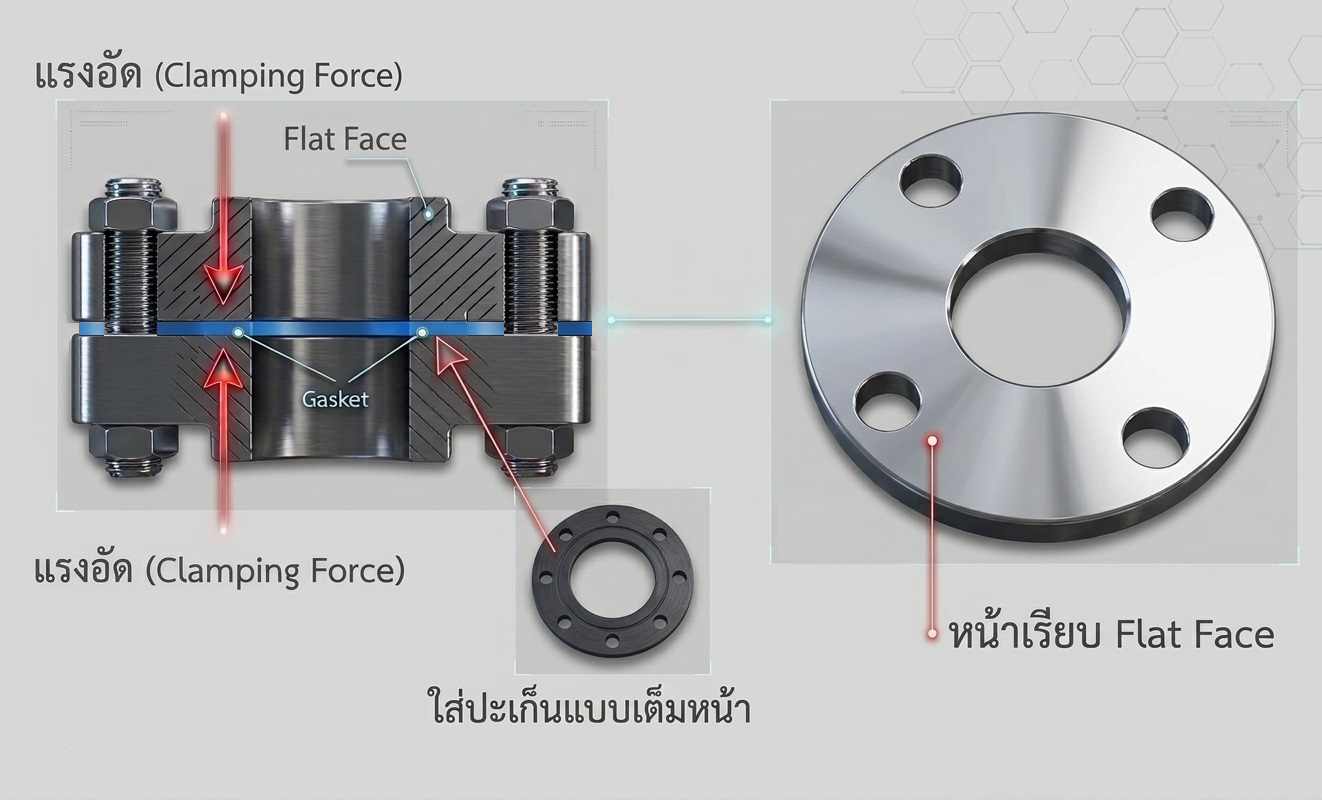
A flat-face flange features a gasket seating surface that lies in the same plane as the bolt circle face. These flanges are designed for low-pressure and low-temperature applications—such as CLASS 125 or JIS 5K/10K ratings—and are suitable for handling fluids like water, oil, and air. Their use requires a full-face gasket to ensure contact across the entire surface area of the flange face.
3. Lap Joint
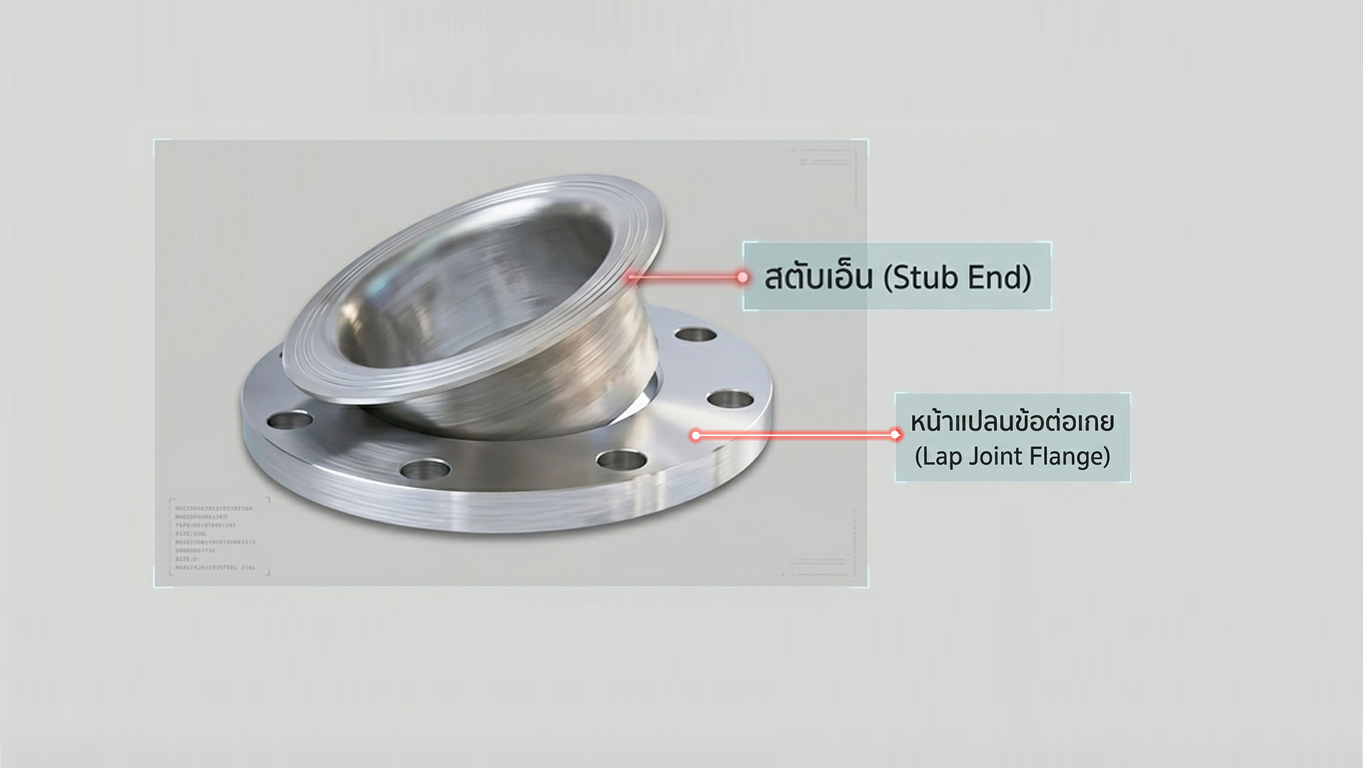
Lap joint flanges must be used in conjunction with stub ends; the flange is slipped over the stub end, which is then butt-welded to the pipe. This arrangement allows the flange to rotate freely around the pipe, thereby mitigating issues with bolt hole misalignment and reducing torque caused by pipe misalignment.
4. Ring-Type Joint - RTJ
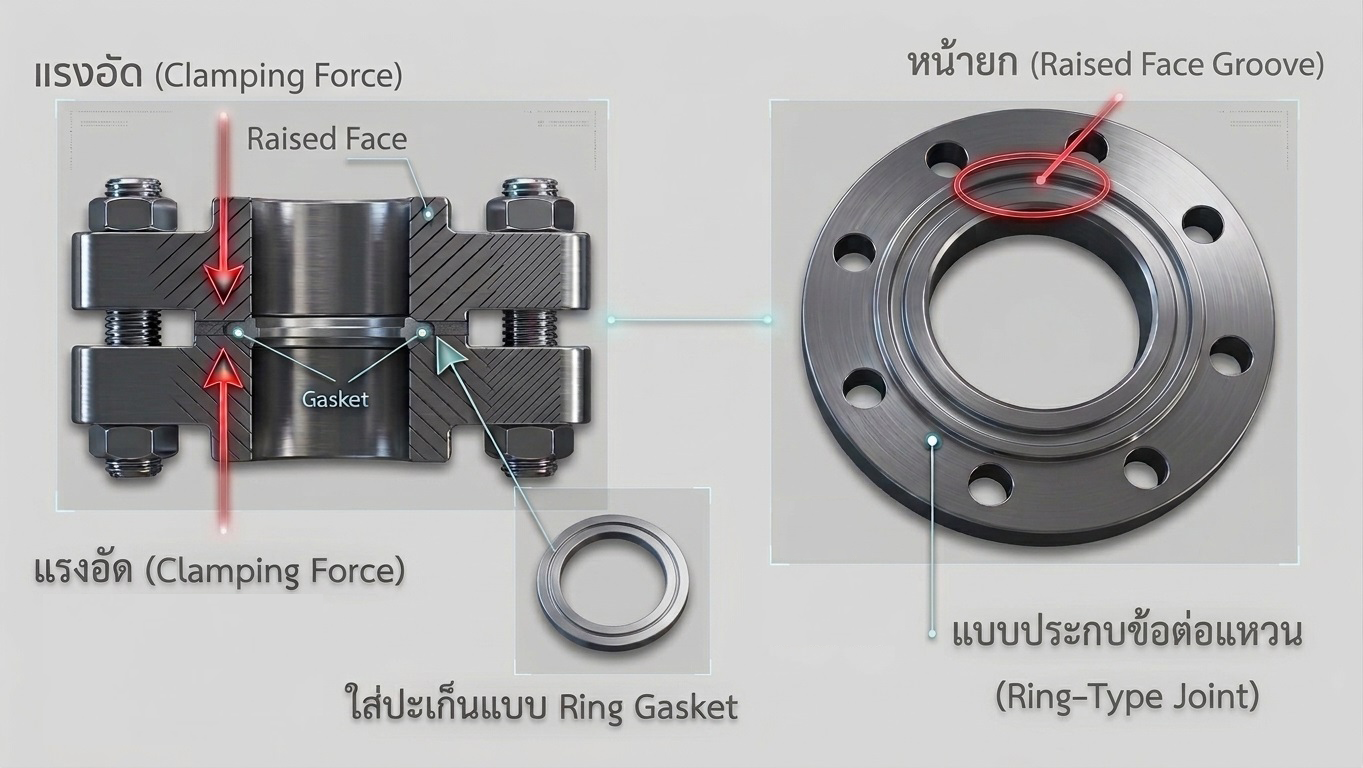
Ring Type Joint (RTJ) flanges are typically used in high-pressure applications (Class 600 and above) and/or in environments with temperatures exceeding 800°F (427°C). They feature a machined groove designed to accommodate a metal ring gasket—commonly available in either octagonal or oval shapes. Sealing is achieved when the flange bolts are tightened, compressing the gasket into the groove and ensuring tight contact between the metal gasket and the flange groove surfaces.
5. Male and Female Facing – M&F
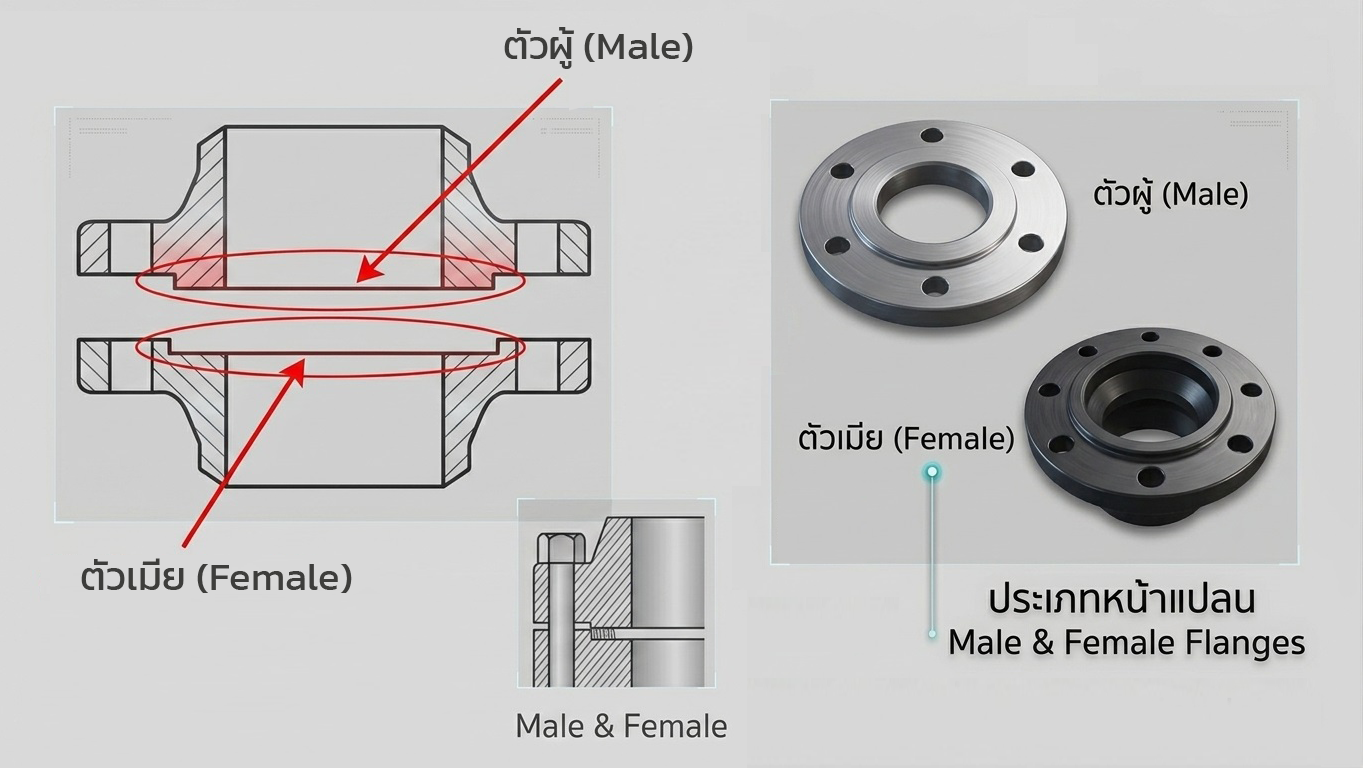
This type of flange operates by mating the two faces—male and female—to form a seal, compressing the gasket tightly and precisely into position for superior sealing performance. This configuration offers better sealing characteristics than Raised Face (RF) designs and is commonly used for connections to machinery or equipment flanges.
6. Tongue and Groove Facing – T&G
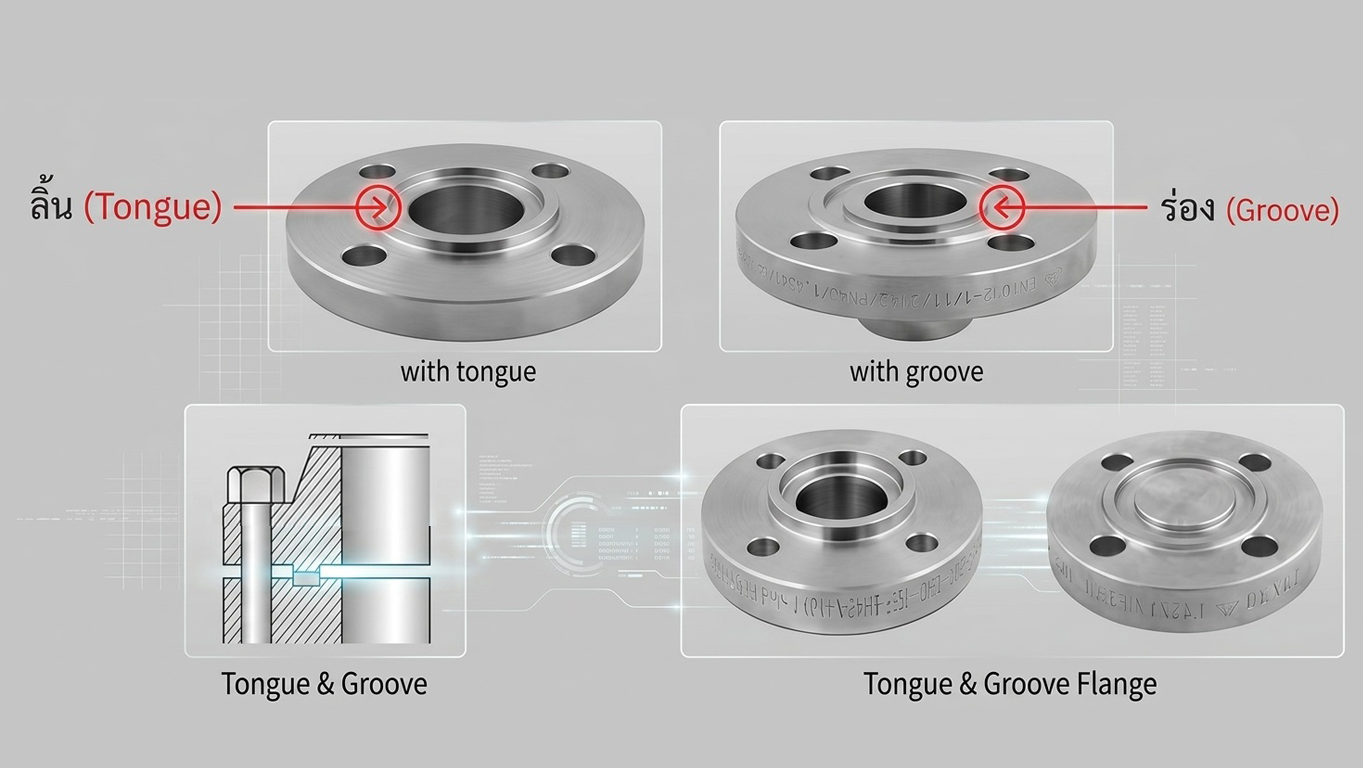
This type of flange operates by mating two faces—one featuring a tongue and the other a groove—to form a seal. The gasket is securely compressed within a precise, fixed position, ensuring excellent sealing performance. It is suitable for connections to pumps or valve assemblies and performs effectively in both cryogenic and high-temperature environments.